One of the byproducts of our digital age, at least for me, has been a drift away from deep reading: picking up a book and losing oneself in that world for focused periods of time. Drift no more! In 2024, and with great assistance from the Stratford Public Library, I read a book a week, on average; reviewing that list today, as the year draws to a close, I realize many were thought-provoking works of non-fiction, from biographies to social analyses. Here’s my top 10 of 2024, starting with the first book I read in 2024 and ending with the last.
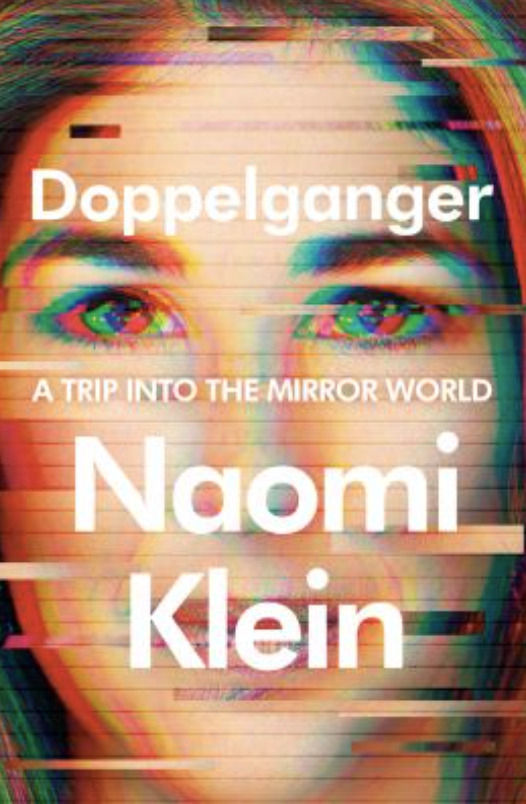

Doppleganger: A Trip into the Mirror World, by Naomi Klein
Canadian author and social activist Klein starts with an exploration of the fact that she is routinely confused with the “other Naomi” — Naomi Wolf. Wolf, someone I once admired for writing books such as The Beauty Myth, has become a darling of the right-wing red-hatters. Klein’s book takes a deep dive into that movement, its tenets from anti-vaccination to anti-immigration, and its appeal across a surprising spectrum of people.
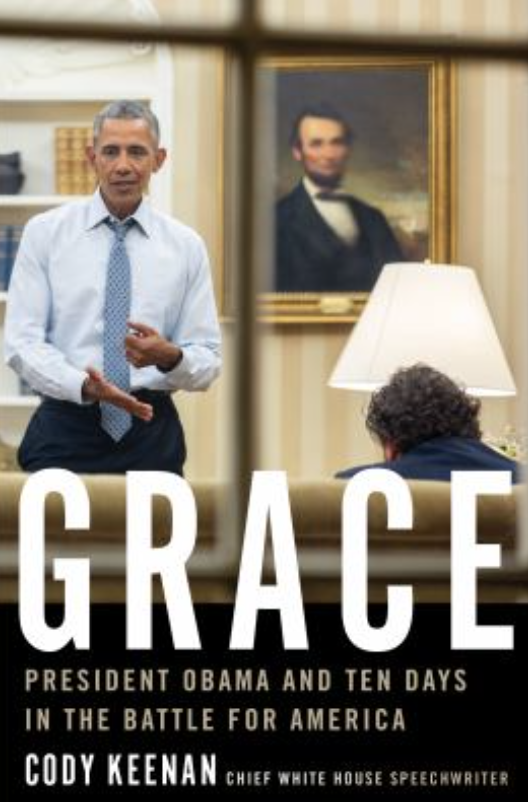
Grace: President Obama and Ten Days in the Battle for America, by Cody Keenan
My niece has a PhD with a focus on 20th-century American history, terrorism and international relations. She named her dog Kennedy. And she gave me this book, written by Barack Obama’s chief speechwriter, as a Christmas gift at the end of 2023. If you are a fan of the TV series The West Wing, you will love this book: a unique look from within the White House for 10 days in 2015, when Obama and his team must create speeches to address a rapid series of divisive events in the United States.
Making It So, by Patrick Stewart
Yes, he’s my favourite Star Trek captain. And we do get memories from those famous years. But this is a far more complete picture of the man, starting with his childhood in Mirfield, England, where his violent father dominated the family. Stewart found an outlet away from his troubled home in theatre, appearing in the town pantomime as a boy and getting support from the local government council to attend theatre school. He reveals a fascinating portrait of England’s repertory theatre system of the day, which led him to the Royal Shakespeare Company in 1966. Sure, there are plenty of Hollywood-era reveals, but Stewart remains focused on making sense of the long and complex journey he’s taken in his life.
The Skin We’re In, by Desmond Cole
A book from 2020, Cole is a Toronto journalist who blew the lid off the fiction that Canadians aren’t racist. His breakthrough essay about Toronto police attitudes and actions toward black Torontonians — including personally being forced to produce ID (aka “carding”) for the Toronto police more than 50 times — won three National Magazine Awards in 2015. This book documents his deeper exploration of race-based discrimination and challenges faced by Black Canadians across the country. Journalists are often told you “can’t march in the parade and cover it, too” and Cole in his career has been forced to choose activism over employment by news outlets such as the Toronto Star. This book won the Toronto Book Award in its publication year and continues to be an important window of insight into Black experience in this country.
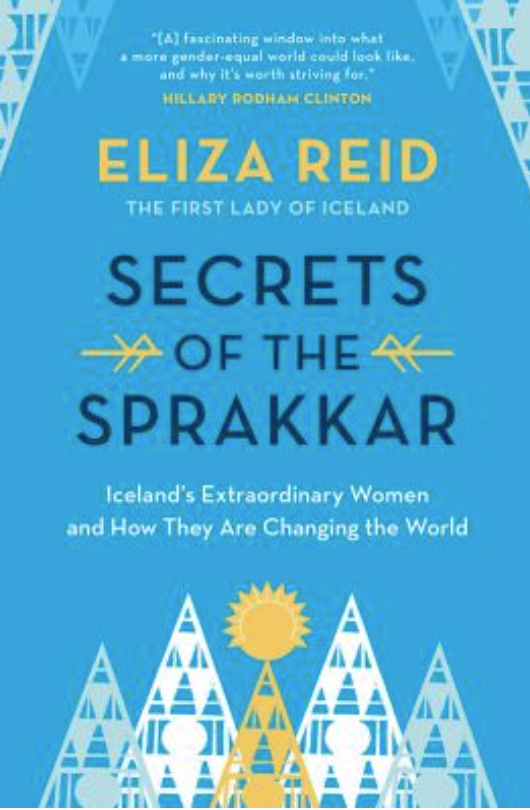

Secrets of the Sprakkar: Iceland’s Extraordinary Women and How They Are Changing the World, by Eliza Reid
Reid is a Canadian who, as a graduate student studying in England, met a lovely fellow from Iceland who, in the fullness of time, became that country’s president from 2016 to 2024. This book, published in 2022, is both a personal chronicle as she becomes immersed in her adopted country’s society and also a cultural one, investigating how and why the “Sprakkar” — an old Icelandic word for extraordinary women — have shaped this small country to be one of the leading forces for gender equality on the planet. Thanks to the library staff person who pulled this one from the stacks and onto a recommended reading display.
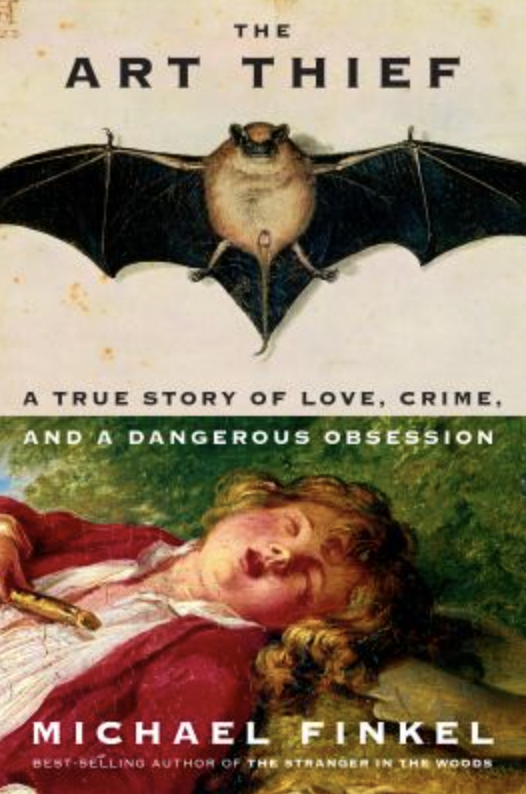
The Art Thief: A True Story of Love, Crime, and a Dangerous Obsession, by Michael Finkel
A rapid page-turner of a book, Finkel delves into the near-unbelievable life story of Stéphane Bréitwieser, a Frenchman who committed more than 200 art robberies in Europe, often in crowded museums, in a crime spree between the early 1990s to 2005, when he was finally arrested, found guilty and sentenced. Unlike most art thieves, who steal to sell for profit, Bréitwieser kept all this stuff crammed into an upstairs bedroom at his mother’s house; both his mother and then-girlfriend were complicit in his crimes. My partner read this book after me and he kept exclaiming variations of “How the hell?” and “What the hell?” as the story unfolded. Finkel interviewed Bréitwieser extensively and it seems the author has a weird admiration for this man who, in the 20 years after the time detailed in this book, continues to steal art, although he’s now is carefully monitored by authorities and (mostly) gets caught.
Revenge of the Tipping Point: Overstories, Superspreaders and the Rise of Social Engineering, by Malcolm Gladwell
Readers of this blog will know that Gladwell and I went to the same high school in Elmira, Ontario. In his latest book, 25 years after his career-making The Tipping Point, he returns to the topic of how social epidemics spread. His first book focused more on positive changes; this one delves at times into darker and malevolent manipulations. I confess I slammed the book down a few times in anger while reading the chapter delineating how the Sackler family, their company, Purdue Pharma, and consulting firm McKinsey unleashed Oxycontin and the subsequent hey-but-business-is-great! opioid crisis in America. Gladwell does cover some positive social-change trends: he credits the series Will and Grace, in an era when most people saw the same things at the same time on network television, as a key factor changing American attitudes about same-sex marriage and gay rights. On a personal note, I was glad to read his lovely mother Joyce is delighted these days because Gladwell has, in the last few years and rather late in life (see: went to school together) become the father of two young children. Hurrah for Grandma Gladwell!
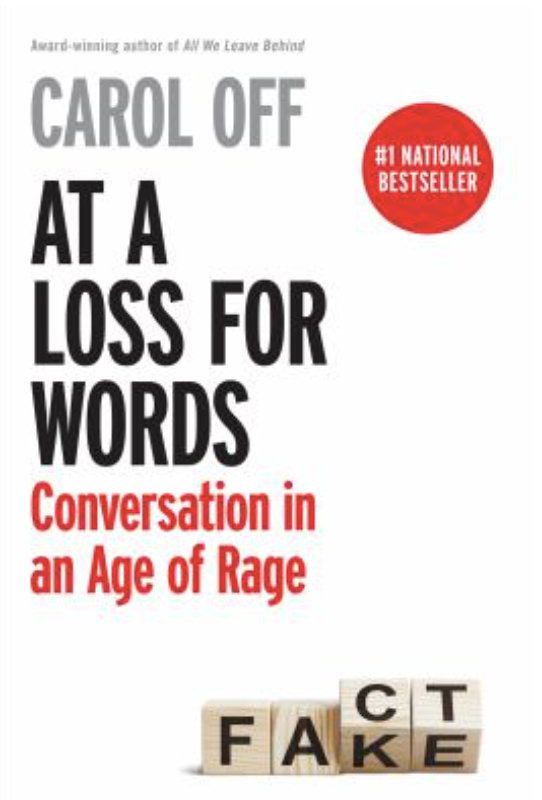

At a Loss for Words: Conversation in an Age of Rage, by Carol Off
This is an intellectually challenging, if somewhat depressing, book by one of Canada’s finest journalists and interviewers. Off, former co-host of CBC’s As It Happens, meticulously documents how our use, and misuse, of words and terms makes it increasingly difficult to have civil conversations and come to understandings. She organizes her chapters around six words: freedom, democracy, truth, woke, choice and taxes. Each of these words’ meanings are changed and often weaponized against their original meaning. For instance, “woke” emerged as a term to describe being awake to discrimination and working to end these prejudices; now it’s hurled as an insult. One review calls the book “both an elegy and a call to arms.”
I Heard There Was a Secret Chord; Music as Medicine, by Daniel Levitin
This is a book so rich in insight and details that I first read it on a library borrow, then bought a copy to read again and refer to in the future. Levitin is a Canadian neuroscientist, psychologist and academic who splits his time between Quebec and California, and is also a musician and music producer. I’ve read several of his other books and this one, in particular, demonstrates the slow and painstaking work researchers undertake to prove, and disprove, theories: in this case, related to the relationship between music and human healing, both physical and mental.
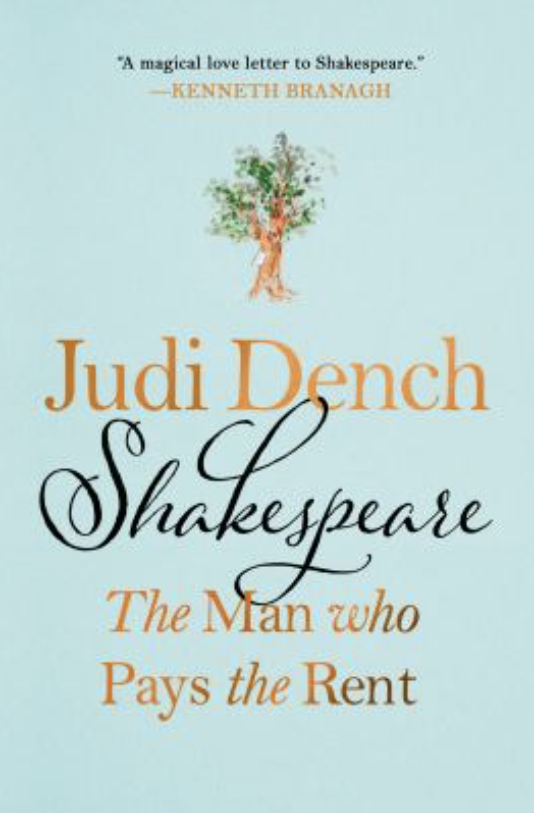
Shakespeare: The Man Who Pays the Rent, by Judi Dench
This was a Christmas-present book from 2024 that I gulped down on a lazy wear-pyjamas-all-day reading binge by the fireplace. The book started as an archives project for the Globe Theatre, where actor and director Brendan O’Hea met with Dench and interviewed her, over the course of four years, about the Shakespearean roles she has played both on stage and in films. Those recollections have been shaped into chapters on each play, where Dench recollects her experiences playing a character or, in some cases, different characters from that same play in different productions. There’s a wonderful exploration between O’Hea and Dench of the plays’ texts, along with touching and often wickedly funny memories of her actor’s life on and off the stage.
 Teahen Tales
Hi Kelley,
Thanks for these great reading tips. Of them, I have read (well, listened to on audiobook) Naomi Klein’s and Desmond Cole’s, both of which I really liked.
Here is a recent non-fiction book by a friend/colleague of mine that you mind find of interest:
https://utorontopress.com/9781487549930/sticky-sexy-sad/?srsltid=AfmBOorCu22qkir6tczcSOlxCu004iNE0kdsd6ZVCHjWTCT19WjkER2w
Hugs,
Jeff
LikeLike
Thanks for this list! I was aware of some of them, but not others, and have added a few to my holds list at the Kingston Public Library!
LikeLike
As a predominantly fiction reader, I very much appreciate these recommendations (as always!). Keep them coming!
LikeLike