It took a time of isolation for us to discover the urban miracles that are the Toronto ravines.
Before 2020, I’d been on some trails along the Don River, near to where we live. There had been bike rides on paved paths south and north, and a few trips down-and-up a hill known as the Milkmen’s Run, which starts at the end of a street in the tony Rosedale neighbourhood north of where we live and connects to a path that goes to The Brickworks.
I used to think the 45 minutes it took to walk to The Brickworks on this path was a long walk. This destination spot is a revisioning of a former quarry and brick factory that now has ponds, trails, forests and renovated buildings used for multiple public events. Before, a walk there entailed a stop at a coffee shop to pause and refresh before gearing up for the return trip.
But in mid-March 2020, suddenly, we were both working from home. Blessed to still have employment but, instead of daily walks to work and trips to the gym when we could manage, we were 24/7, living and working in our apartment. All the usual ways we’d get some movement into our days were gone.

A friend who lives in downtown Toronto started posting amazing photos of forested landscapes just as the first green shoots starting poking through in spring. Was he driving out of town to hike, I asked? He returned a snap of a map with David A. Balfour Park circled.
We eventually found several access points to this ravine park, along with others closely connected. Every weekend now, we go for one or two hikes closing in on three hours each exploring various ravine walks you can find on this map: and this is just a tiny portion of what urban forest exists in Toronto.
A 2018 article in The Guardian opined that the “thickly forested valleys of Toronto’s ravine system are peerless: no major urban centre in the world comes close to its steep, voluminous corridors of woodlands. In total, the dramatic formations measure more than 30 times New York’s Central Park, earning Toronto the nickname ‘the city within a park’.”
People walk dogs, cycle, hike, jog, stroll under the canopy of soaring trees. The most-used paths are wide enough to allow for distancing between people and narrower trails tend to be more challenging, rising above the ravine floor and winding up the inclines, attracting fewer hikers: we’ve all become good at scrambling up off the path and bracing against a tree trunk to let another party pass at a narrow point. The ravines have often been home to people seeking to create a piece of shelter in a city with limited housing options for the marginalized: in this summer of COVID-19, especially when city park structures initially were shut down, children too sought wild play spaces, gathering branches to create little forts on the forest floor and piling rocks to create walkways over the creeks that wind through the ravines.

Buttercup 
Black-eyed Susan 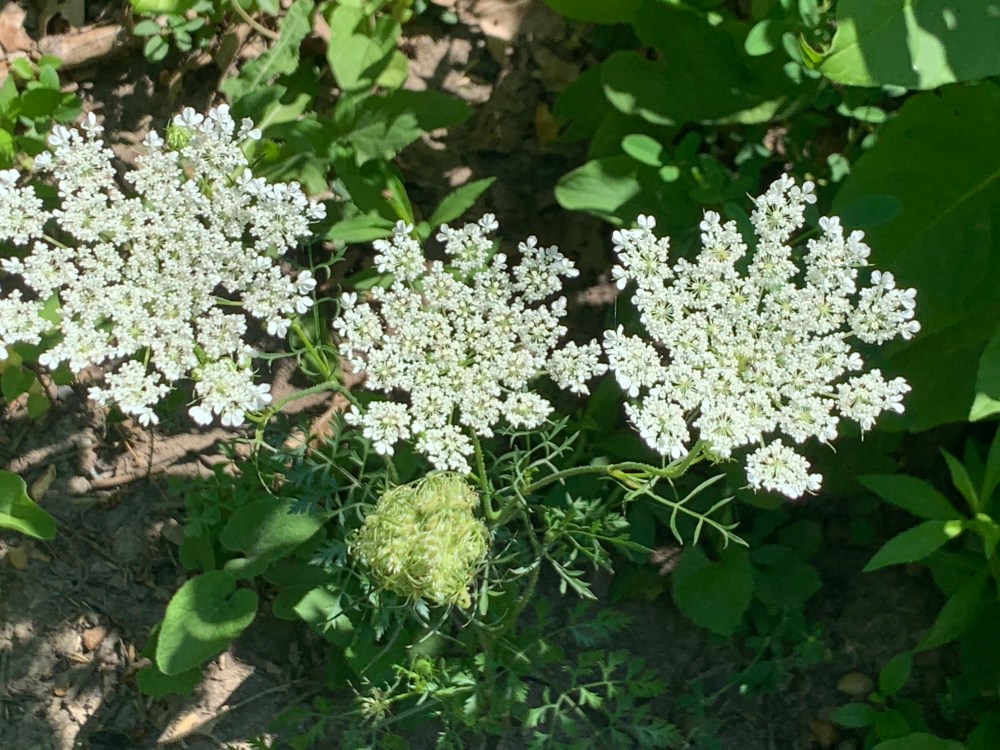
Queen Anne’s Lace 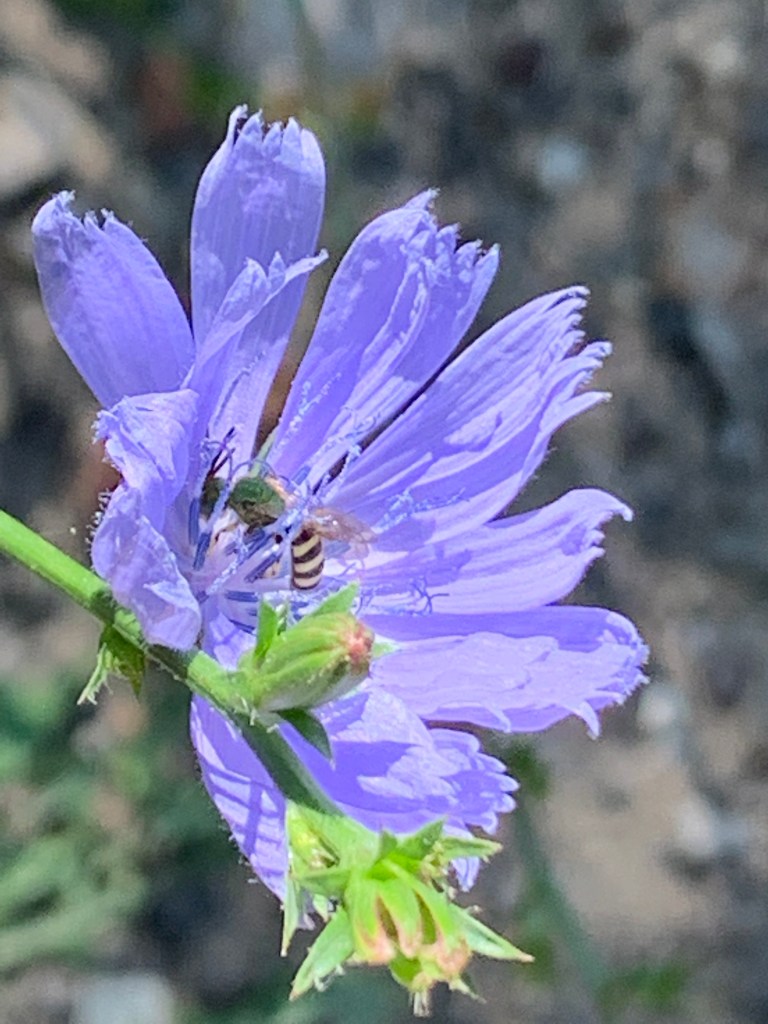
Chicory 
Jewelweed
As spring turned to summer, the forest subtly evolves. In late summer, there are bright pops of colour as wildflowers bloom in sun-kissed patches. Tiny jewelweeds are no bigger than your baby finger’s nail, yet each one looks like a perfect orchid, in miniature.
The ravine forest has been the place to exercise both body and soul, in these times, in a way that is both safe and soothing. It’s something I hope we’ll continue to do, even if, when, life returns to the patterns we knew before.
Cover photo: Chris Moorehead
Floral photos: Kelley Teahen
